
Teaching is one of the most rewarding professions, but it can also be one of the most challenging. As a teacher, you're responsible for shaping the minds of the next generation, and that's no easy feat. If you're just starting out as a teacher, you may feel overwhelmed and unsure of where to begin. But don't worry – you're not alone! In fact, many experienced teachers have been where you are now and have some valuable insights to share.
As an educator, your role is critical in shaping the future generation. You have the power to inspire young minds, ignite their passions, and equip them with the skills they need to succeed in life. However, with constantly changing education policies, new technologies, and evolving student needs, it can be challenging to stay up-to-date and effective in your teaching practices.
Here, we'll explore the latest trends and insights in education, share practical tips for improving your teaching skills, and provide you with resources to help you stay informed and inspired. Whether you're a seasoned veteran or just starting out, we believe there's always room for growth and improvement.
Let's dive in and empower the next generation of learners together!

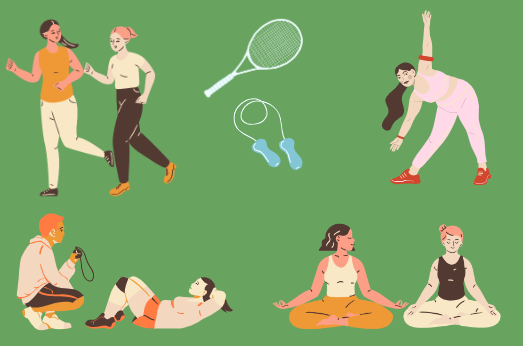
Welcome to our exploration of the key concepts in the Physical and Health Education (PHE) for the International Baccalaureate Middle Years Programme (IB MYP). Our journey takes us beyond the conventional confines of fitness and into the deeper interconnectivity that informs our perception of health in the dynamic field of physical well-being. We try to explain the intricate details of the MYP PHE concepts through a series of stimulating inquiry questions, promoting a greater understanding of the critical role that these concepts play in molding the lives of learners. Come along on this journey with us as we discover the path to a comprehensive approach to physical education by navigating through the dimensions of change, communication, development, relationships, connections, form, and logic.
Change: How does regular physical activity contribute to changes in overall well-being? Regular physical activity can lead to significant improvements in one's physical health, mental health and overall well-being. It can enhance strength and endurance, reduce the risk of chronic diseases like heart disease and diabetes, and improve mental health by reducing symptoms of depression and anxiety. Regular exercise can also improve sleep, boost mood, increase energy levels, and contribute to a better quality of life.
In what ways can modifications in lifestyle impact physical fitness over time? Small changes in our daily activities, such as increasing physical activity or improving diet, can have a significant impact on our physical fitness over time. These changes can result in improved cardiovascular health, increased muscle strength and endurance, better flexibility and balance, and decreased risk of chronic diseases.
How do cultural shifts influence attitudes towards health and physical activity? Cultural shifts, such as changing societal norms and values, can greatly influence attitudes towards health and physical activity. For example, the growing emphasis on body positivity and inclusivity in recent years has encouraged more people of all shapes, sizes, and abilities to engage in physical activity.
Communication: How does effective communication promote collaboration in team sports and physical activities? Effective communication is vital in team sports and physical activities. It helps to foster teamwork, coordination, and mutual understanding among players. Com
munication can also help to prevent injuries, as players can alert each other to potential dangers on the field.
In what ways can communication skills be utilized to educate others about the importance of a healthy lifestyle? Communication skills are crucial in spreading awareness about the importance of a healthy lifestyle. Whether it's health professionals advising patients, teachers educating students, or influencers promoting health on social media, effective communication can inspire and motivate people to make healthier choices.
Development: What role does physical education play in the cognitive and physical development of adolescents? Physical education plays a vital role in the overall development of adolescents. It helps enhance physical health, develop motor skills, and improve cognitive function. Moreover, it fosters social skills, builds self-esteem, and instills a sense of discipline and responsibility.
How do societal expectations influence the development of body image among adolescents, and how can physical education address this? Societal expectations can significantly influence body image among adolescents. Physical education can help to mitigate negative body image by fostering a healthy and inclusive environment and promoting the message that everyone's body is different and that physical fitness is more important than physical appearance.
Relationships: How do interpersonal relationships impact motivation in physical activities? Interpersonal relationships can greatly impact motivation in physical activities. Having a workout partner or being part of a team can provide support, accountability, and a sense of belonging, which can inspire and motivate individuals to stay active.
How can physical education promote positive relationships with one's own body and physical well-being? Physical education can help individuals develop a positive relationship with their bodies by teaching them to appreciate what their bodies can do, rather than focusing on how they look.
Connections: How are physical and mental health interconnected, and how can physical activities contribute to both? Physical and mental health are closely interconnected. Regular physical activity can not only improve physical health but also boost mental health by reducing symptoms of stress, depression, and anxiety, and by improving sleep and cognitive function.
How do cultural and historical factors influence the way different societies approach physical well-being? Cultural and historical factors play a significant role in how different societies approach physical well-being. These factors can influence attitudes towards physical activity, diet, body image, and health care, among other things.
Form: How does an understanding of biomechanics enhance performance in specific physical activities? An understanding of biomechanics can greatly enhance performance in physical activities. It can help individuals improve technique, increase efficiency, prevent injuries, and optimize performance.
Logic
: How can logical planning and goal-setting contribute to the design of effective fitness programs? Logical planning and goal-setting are key to designing effective fitness programs. They help to ensure that the program is structured, balanced, and tailored to the individual's needs and abilities, and that it includes clear and attainable goals.
In what ways can critical thinking skills be applied to make informed decisions about nutrition and diet in the context of physical well-being? Critical thinking skills can be applied to evaluate information about nutrition and diet, distinguish between reliable and unreliable sources, understand the impact of different dietary choices on health, and make informed decisions about what to eat.
Thus as seen above, the IB MYP PHE principles have offered a framework for reflection and development, from understanding the transformative power of change to the threads that knit relationships in our communities. Let our inquiries echo across educational hallways as we conclude this exploration, fostering discussions, initiatives, and a shared commitment to incorporating well-being into the fabric of our communities. The journey may end, but the lessons learned will resonate in the pursuit of healthier, more connected futures.
Credits: IB MYP, Canva, ChatGPT
To access related posters for free, do go to below link and follow us on Pinterest.https://in.pinterest.com/classcipe/
images sourced from Canva

image sourced from Canva
image sourced from Canva

images sourced from Canva
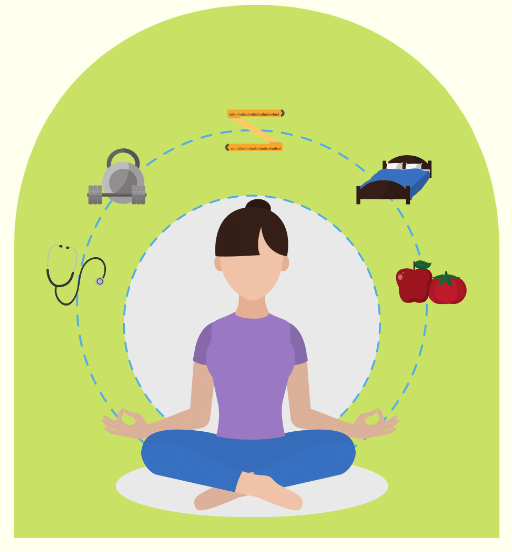
image sourced from Canva

image sourced from Canva
image sourced from Canva
- Farah Taimoor
MYP Science teacher/ Service as action Coordinator
Sheikh Zayed International Academy,
Islamabad, Pakistan
Can today’s students solve world problems?
With
inquiry
at the core, the MYP sciences framework aims to guide students to independently and collaboratively investigate issues through research, observation and experimentation. The MYP sciences curriculum must explore the connections between science and everyday life.
INQUIRY THROUGH COMMUNITY WORKS: MYP 1
Through the Middle Years Programme
(MYP) projects, students experience the responsibility of completing a significant piece of work over an extended period of time. This encourages students to reflect on their learning and the outcomes of their work – key skills that prepare them for success in further study, the workplace and the community.
Can recycling be a step towards saving the environment?
To answer this, Students
of MYP 1 did a recycling activity as a part of their Service as action to bring awareness among the school community to reuse old plastic waste bottles. Students recycled the bottles and ice cream sticks into decorative items for the botanical garden.
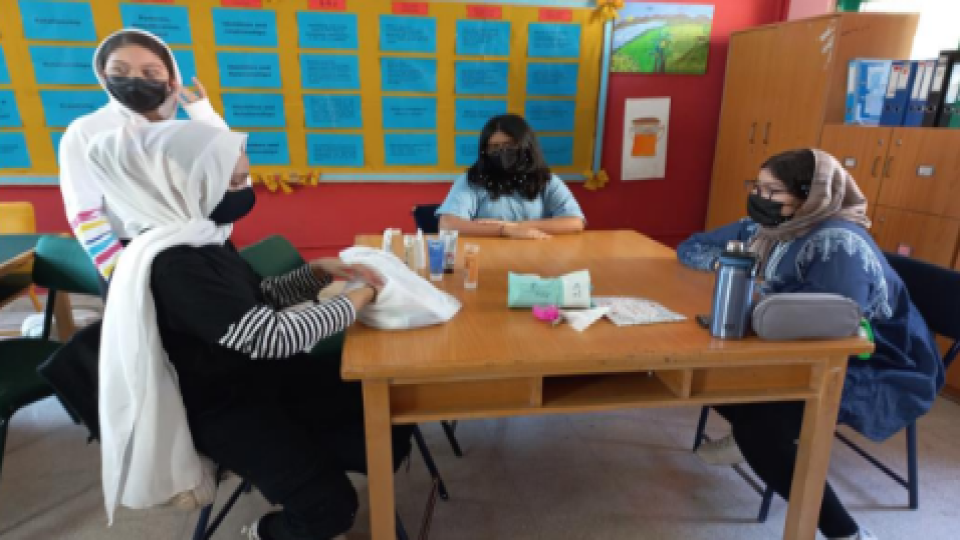
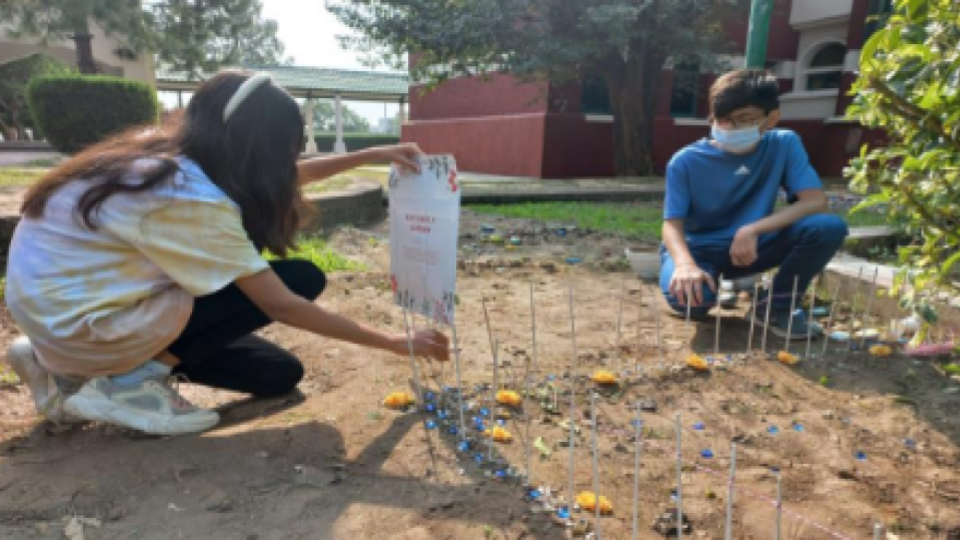
MYP Year 1 students at work (Images shared by Farah Taimoor)
Looking at this smaller step wh
ole MYP wanted to contribute their role in this activity to represent UN goals of sustainable goals. MYP 2 recycled plastic tyres into a living garden and MYP 3 used broken pots to turn them into living botanical gardens. It all started by planning the activity and research. After the plan was finalised then they worked from scratch.
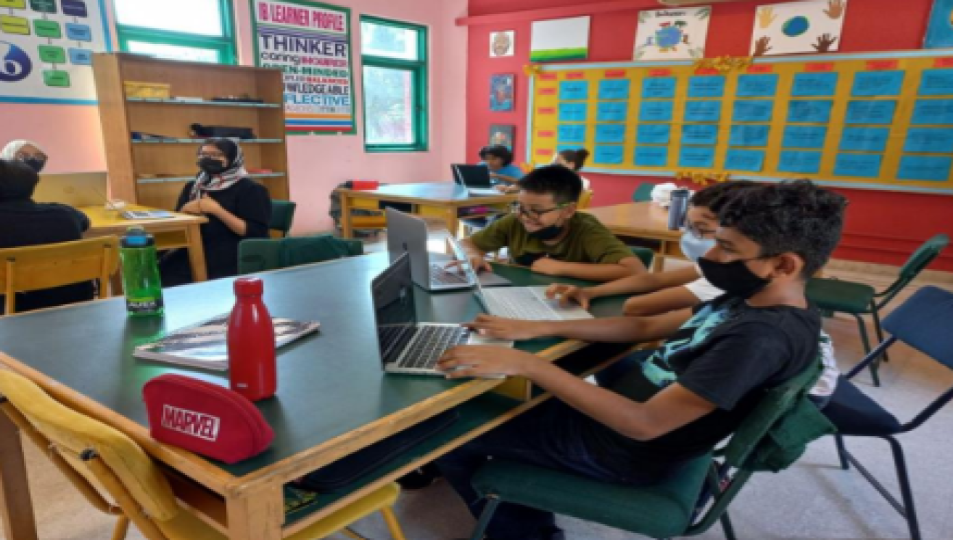
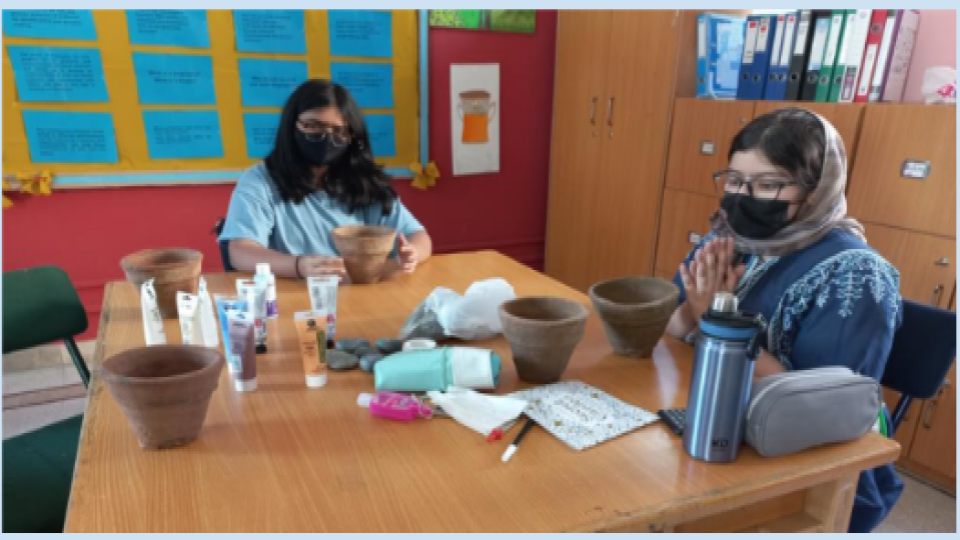
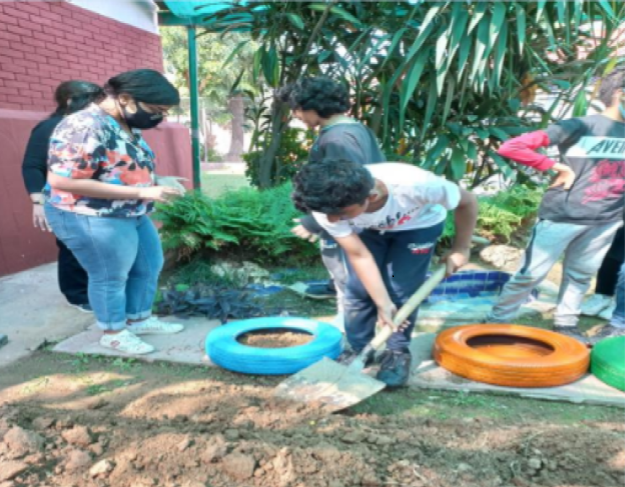
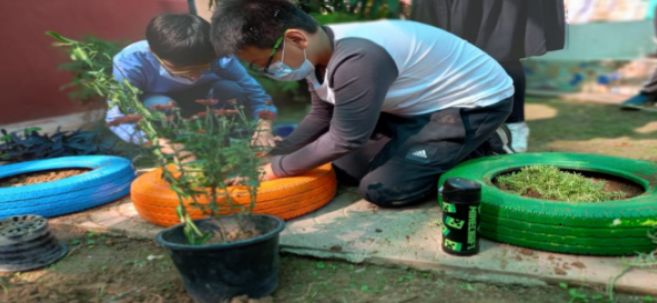
Images shared by Farah Taimoor
Thus, my
lessons are always focused on students' learning and its application in real life. To be reflective means to mentally wander through where we have been and to
try to make some sense out of it. Our classrooms are oriented more to the present and the future than to the past.
Metacognition
generally refers to our awareness about our own thinking and cognitive process. Giving
students opportunities to develop more advanced metacognitive skills, including reflection, self-monitoring,
and planning will increase synthesis and transfer of knowledge and skills, engagement, and self-directed learning; all of these attributes are those of a successful, life-long learner and which will increase student success in the immediate and long term.
Fostering metacognitive skills are at the core of the success of integrative learning as pedagogy.
Metacognitive
skills are overlapping, reinforcing mental processes that can be considered or grouped in three categories:
“Metacognition is one’s ability to use prior knowledge to plan a strategy for approaching a learning task, take necessary steps to problem solve, reflect on and evaluate results, and modify one’s approach as needed. It helps learners choose the right cognitive tool for the task and plays a critical role in successful learning”
(TEAL, 2015).
Providing
students with regular, ongoing opportunities for self-reflection is an essential part of helping students toward future career, academic, and personal success because it underlies critical thinking, creative problems solving, engagement with learning, and self-directed learning.
Self
-reflection is a key feature of integrative learning, and, for that reason, an essential activity used in inquiry based learning.
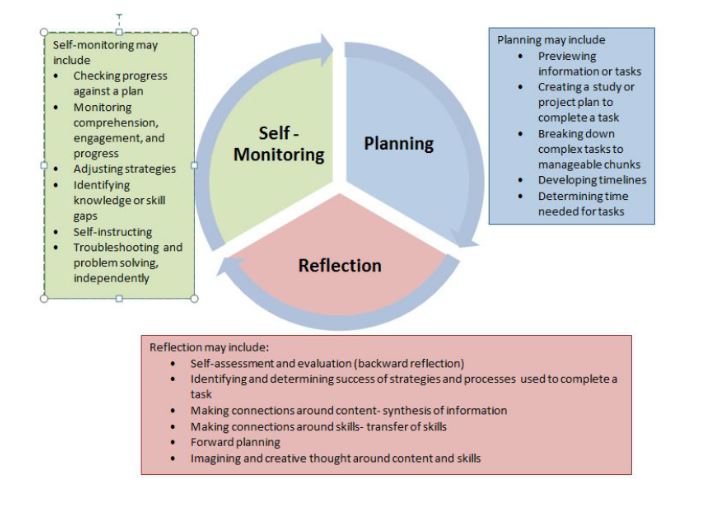
image credit @Anup Prabhakaran
What is reflection?
‘Reflection’
means trying to see your experience, in order to make sense of it and to identify what to do in the future. This does not have to be something you do on your own. Getting feedback from peers or from your teacher, are also important aspects of reflection in the learning cycle.
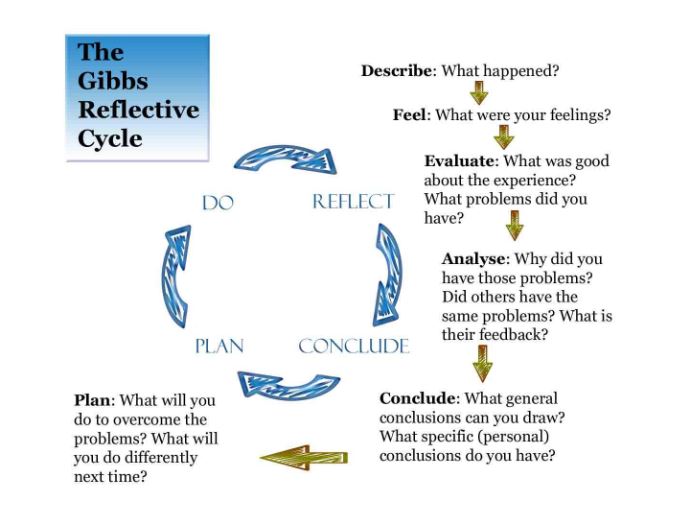
image credit @Anup Prabhakaran
Why is reflective thinking important?
Modern society
is becoming more complex, information is becoming available and changing more rapidly prompting users to constantly rethink, switch directions, and change problem-solving strategies. Thus, it is increasingly important to prompt reflective thinking during learning to help learners develop strategies to apply new knowledge to the complex situations in their day-to-day activities. Reflective thinking helps learners develop higher-order thinking skills by prompting learners to
a) relate new knowledge to prior understanding,
b) think in both abstract and conceptual terms,
c) apply specific strategies in novel tasks, and
d) understand their own thinking and learning
strategies.
Characteristics of environments and activities that prompt and support reflective thinking:
- Provide enough wait-time for students to reflect when responding to inquiries.
- Provide emotionally supportive environments in the classroom encouraging reevaluation of conclusions.
- Prompt reviews
of the learning situation, what is known, what is not yet known, and what has been learned.
- Provide authentic tasks involving ill-structured data to encourage reflective thinking during learning activities.
- Prompt students' reflection by asking questions that seek reasons and evidence.
- Provide some explanations to guide students' thought processes during explorations.
- Provide a less-structured learning environment that prompts students to explore what they think is important.
- Provide social-learning environments such as those inherent in peer-group works and small group activities to allow students to see other points of view.
- Provide reflective journal to write down students' positions, give reasons to support what they think, show awareness of opposing positions and the weaknesses of their own positions.
References:
Teaching
Excellence in Adult Literacy. (2015, August 12). Fact Sheet: Metacognitive Processes [US Department of Education Website]. Retrieved from https://teal.ed.gov/tealguide/
metacognitive
Suggested Books
Moon, J. A. (1999).
Reflection in learning and professional development: Theory and practice. London: Kogan Page.
Halpern, D. F. (1996). Thought and knowledge: an introduction to critical thinking (3rd ed.). Mahwah, NJ: L. Erlbaum Associates.
Every educator understands that when teachers as leaders develop and facilitate classroom-focused learning in an interesting, humorous, and engagingly respectful manner, it not only boosts their confidence, but it also teaches them how to best serve their own specific students and develop them as leaders. Teachers, as life-long learners, are constantly learning new ways to improve their teaching practices and broaden their knowledge base. This redefined learning results in more effective teachers and better student outcomes.
While knowing how learning affects educators and classrooms is always vital, leaders must also have a clear understanding of how to develop aligned learning and provide clear direction on how to apply it. And it is not easy for a teacher to plan and implement great learning that reflects and demonstrates students' conceptual comprehension.
All areas of learning can benefit from good practices:
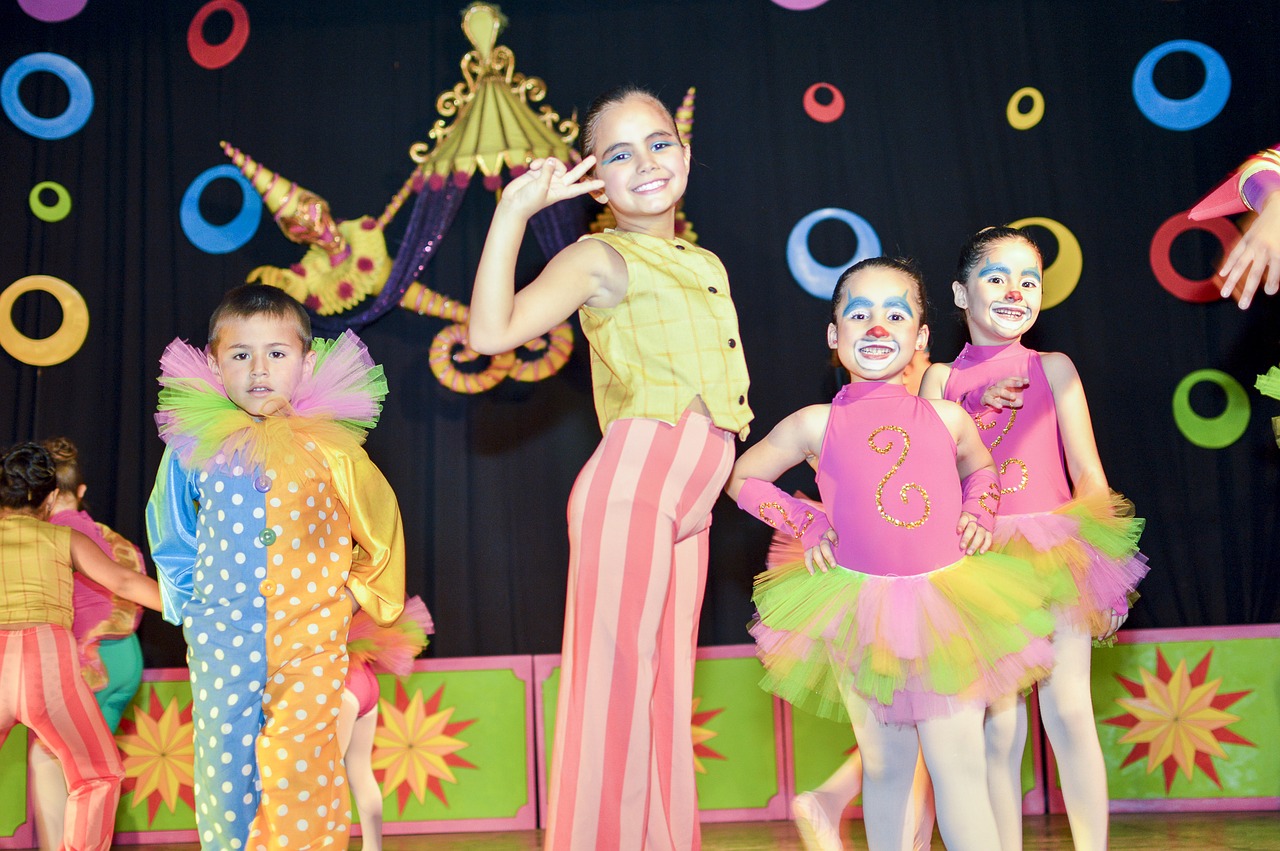
image credit @pixabay
One such practice is "Inquiry," in which the emphasis is on the art of teaching, provoking both teachers' and students' thinking, modelling in classrooms, and then collaboratively analyzing observations, particularly for final reflections, when the teacher draws out the big ideas in response clarifies the essence. There are several types of inquiry practices that are beneficial to teachers who approach their teaching with an inquiry mindset. Encourage learners to be teachers in the classroom, encourage them to create and innovate, encourage them to perceive themselves as 'insiders' in the learning process, and urge them to model their own creations on actual examples from the real world are just a few of the ideas mentioned in this article.
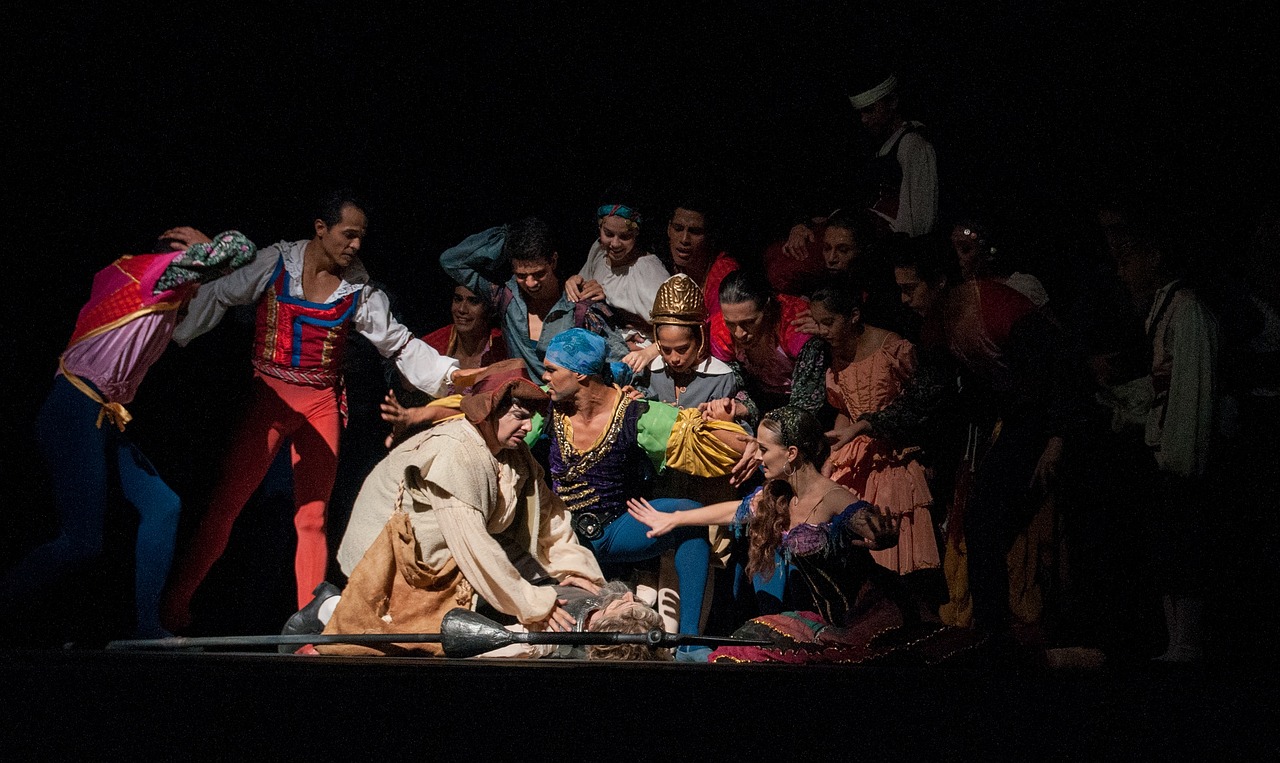
image credit @pixabay
Students enjoy attending theatre classes, but they are mainly interested in performing rather than learning about theatre forms, their history, or any theoretical aspects. They arrive with the intention of having fun, creating something new, and exploring new characters, but teaching them the basics of theatre is a difficulty that I am sure every Theatre Teacher encounters. But here comes the inquiry process, which assists us in producing an intriguing and engaging class.
Whether you use a traditional teaching method or an inquiry-based approach, knowing your students' skills, challenges, inhibitions, and likes is essential, in my opinion. The goal is to consistently motivate them and provide them feedback without making them feel inferior to others. I focus more on their strengths by assigning them tasks in which they excel or are comfortable, for example, if a student is shy and has stage fright but excels in script writing or any other technical aspect, I assign them that role first, and once they are comfortable, I gradually work on their challenges and assign them characters to work on.
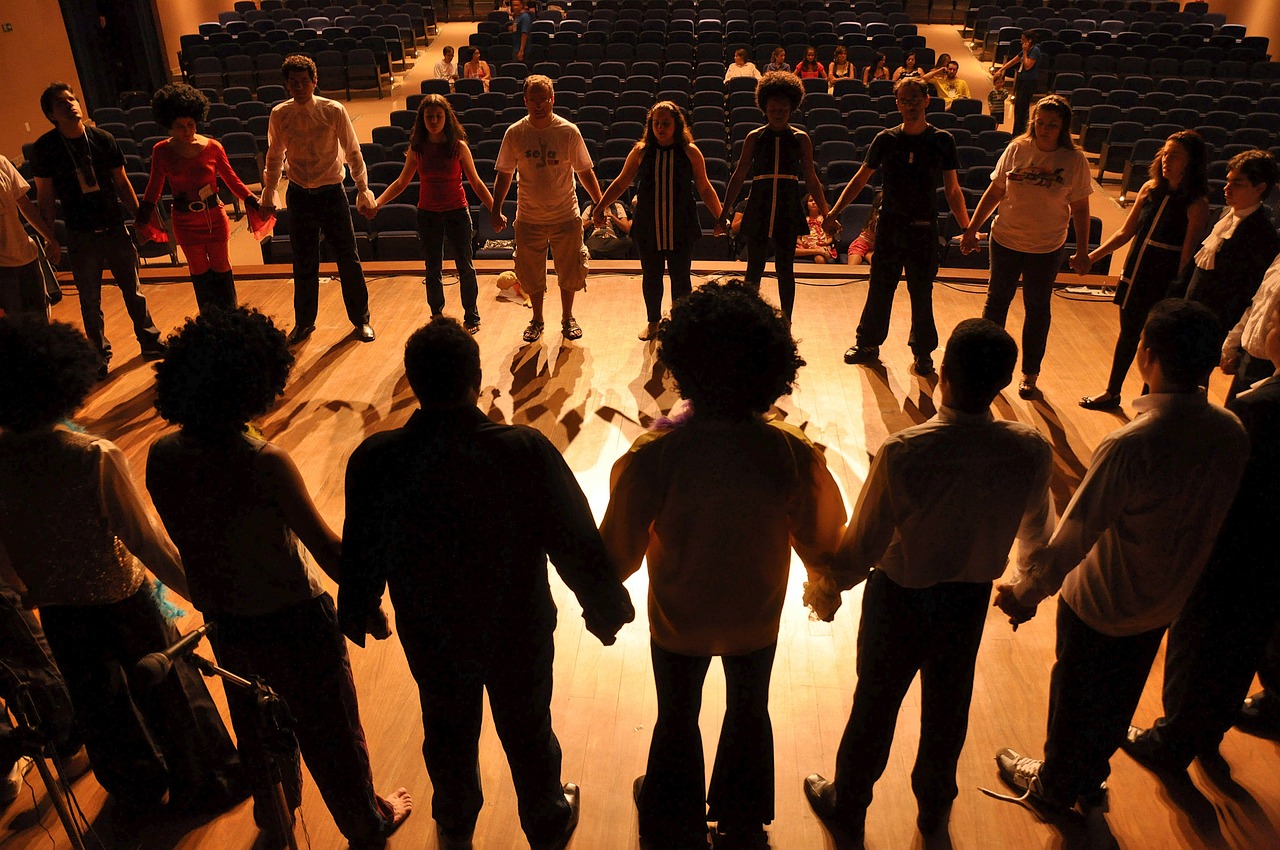
image credit @pixabay
Since I've been teaching theatre for more than 20 years, I've gone out of my way to make sure that my students appreciate the value of all theatre forms. To do this, I developed a passion for learning, which helps me inspire and cultivate a love of learning in my students.I have tried everything to make my classes interesting and useful during the course of my career. I would want to share one of my many such experiences with everyone. When I was instructing my students in theatre class a few years ago, my pupils were able to talk at length about the "Alienation Effect" and Method Acting by renowned German director Bertolt Brecht. Students were encouraged to conduct study on their different theatrical techniques, and they showed a strong interest in doing so. They have used a variety of methods, including writing, making PPTs, and making videos, to present the results of their study.But the keen learner within me pushed me to go beyond my comfort zone and learn and teach something that students will love and find relevant.
That's when I began using technology into my lessons to make them more interactive and to motivate myself to keep learning. As a passionately curious individual, I believe that when you cannot do different things, you should always strive to do things differently. That was the moment I decided to incorporate more technology and innovation, as well as certain traditional values, into the Drama curriculum. From Sanskrit theatre to Greek theatre to radio theatre to filmmaking, and many more disciplines. I became a self-learner due to my dedication and willingness to try new things and begin teaching new subjects. It was a lovely and imaginative partnership between student and teacher. Instead of rushing right in, the inquiry process has been introduced.

image credit @pixabay
We began by learning about different styles of performances. Learners inquired about the differences and similarities between theatrical and cinematic tactics. It piqued students' interest, and they inquired about the theatre artists who moved into movies. We employed a variety of tools in this learning process, including internet resources such as Google searches, interviews, and guest lectures. Students worked in collaboration with each other. They did group research on camera shots/angles, theatrical artists who transitioned into cinema, critically recognized film filmmakers, real-life stories for their short films, and many more. The task now was to get them to try something that causes them to reflect on our moral principles as well.
Students were guided to choose Docudramas based on the inspiring lives of some great people for their short films in order to be affected by qualities such as empathy, compassion, and respect, among others. Students were motivated by real-life heroes who influenced many young people via their hard work and determination.

image credit @pixabay
These classes were an amalgamation of traditional and modern ideas. Students will surely preserve and pursue all these learning and values outside of the school boundaries and become successful and good human beings.
This entire process taught me to become more of a mentor and facilitator than a traditional instructor in order to build a world where we transfer the knowledge to other eager learners who would do the same for others, fostering the growth of more lifelong learners.
Ranjit Biswas is an educator and content developer at an international school in Bangladesh, where he teaches the International Baccalaureate Primary Years Programme (IB PYP) and Middle Year Programme (MYP) Science. He is passionate about integrating Social and Emotional Learning (SEL) into the curriculum to help students develop crucial life skills. Ranjit holds a degree in Engineering, and he believes that learning goals should focu
s on developing real-life skills and attitudes that encourage sustainabl
e actions in learners. He is currently teaching at Pledge Harbor International School in Dhaka, Bangladesh
.
The human brain is a complex and powerful organ that is responsible for our ability to learn and adapt to our environment. From infancy to old age, our
brains are constantly changing and developing as we acquire new knowledge and skill
s.
But how exactly does the brain learn?
The process of learning involves the formation of new connections between neurons, the specialized cells that make up the brain. When we are exposed to new information
, our brains must integrate this information into our existing knowledge base. This process of integration requires the formation of new connections between neurons, a process known as synaptic
plasticity.
Synaptic plasticity is a way that our brains change and adapt. It happens when two neurons, which are special cells in our brains, are activated at the same time. When this happens, the connection between those two neurons gets stronger. This process is called long-term potentiation (LTP). Scient
ists think that LTP is what helps our brains form long-term memories, or memories that last a long time. So, when we l
earn something new and our brain cells are activated at the same time, this can help us remember that information better in the future.
Another important mechanism of learning is neuroplasticity, the brain's ability to reorganize itself in response to new experiences. Neuroplasticity allows the brain to adapt to change
s in the environment, such as learning a new language or developing a new skill. It is also responsible for the recovery of brain function following injury or disease.
Both of these mechanisms strongly support the formation of new neural pathways in the brain. This occurs when a facilitator creates a conducive learning environment and provides appropriate experiences. However, as concept-based curriculums are followed, it can be challenging to develop concepts solely within the classroom. It is essential to think outside of the box and stimulate brain cells to make
connections. An additional crucial factor to consider is brain schema.
Brain Schema: Unleashing the Power of Your Knowledge Connections.
A schema is a mental framework or blueprint that helps our brains organize and interpret information. When we encounter new information, our brains automatically try to fit it into an existing schema, or create a new one if needed. For example, if someone is learning about different frui
ts, they may have an existing schema for apples, but not for dragon fruits. Their brain will try to fit the new information about dragon fruits into an existing schema, such as other fruits with a unique exterior and interior texture.
Schemas can also influence the way we perceive and remember information. If we have a strong schema for a particular topic, we may be more likely to pay attention to information that fits into that schema and ignore information that doesn't. This can both help and hinder our ability to learn, as it can help us remember information that is relevant to our existing knowledge, but also make it ha
rder to learn new information that doesn't fit our preconceived notions. Schemas can help neuroplasticity by providing a framework for new information to be integrated into existing knowledge structures in the brain. When we encounter new information that is related to a pre-existing schema, our brain can use that schema to make connections and build on what we already know.
Learning Experience: Field Trip to TV Channel
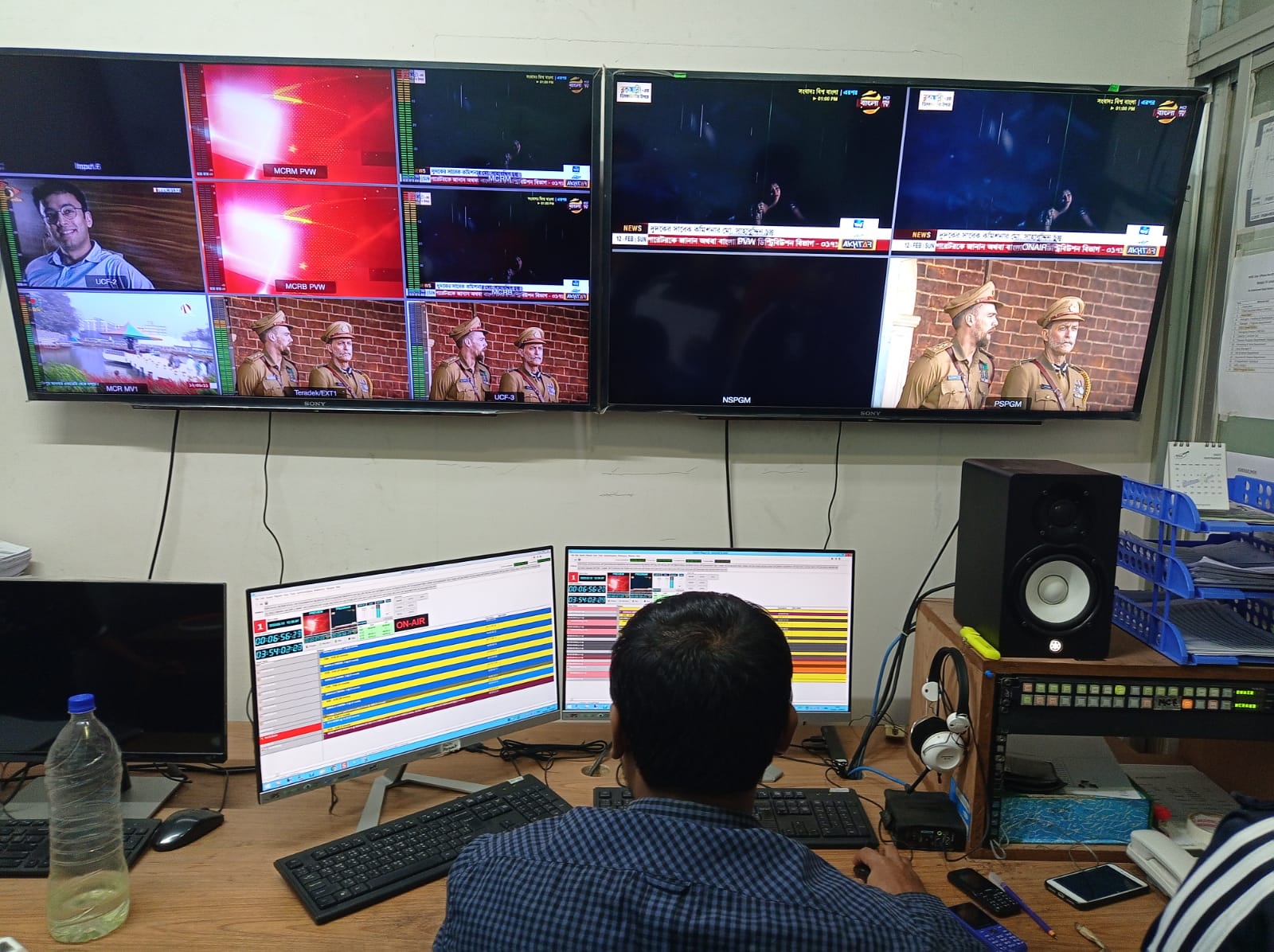
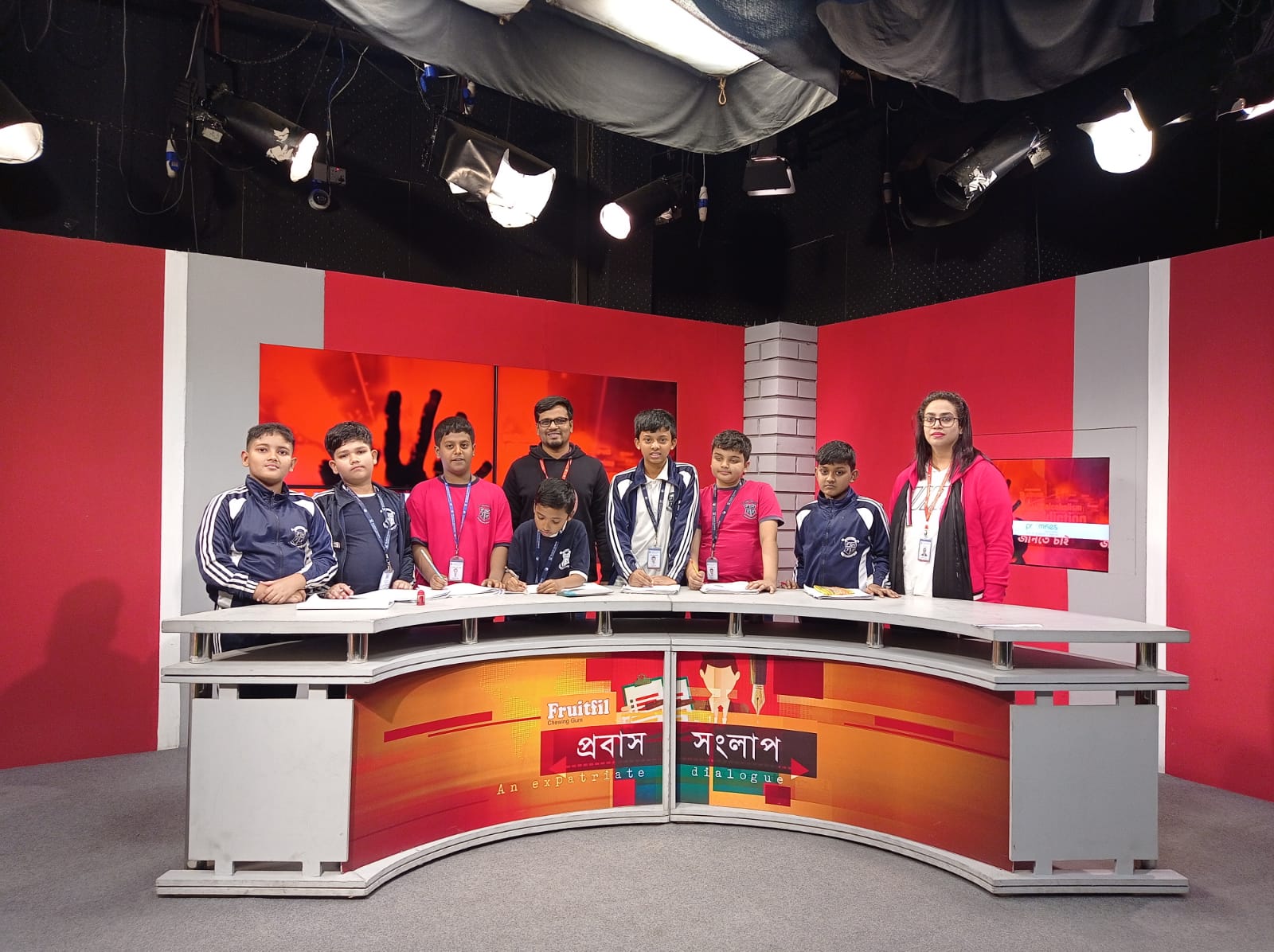
Students are in the studio
(
Images shared by Ranjit Biswas)
I would like to provide an example here, in one of my recent teaching units with PYP4, we focused on the transdisciplinary theme of “How we express ourselves”. The learners were given the central idea of “Creativity enhances through different expressions” and were
required to explore concepts such as creativity, media, advertisement, right choice, influence, and persuasion. However, as we delved into the topic of media and advertisement, I noticed that some students were having difficulty integrating these concept
s into their existing schema. To help them better understand, I decided to plan a field trip to a local TV channel.
During the field trip, the students were given a comprehensive tour of the various departments including the newsroom, the production studio, and the control room. They were introduced to the different professionals who work behind the scenes such as reporters, producers, directors, and technicians. This hands-on experience gave the students a better understanding
of how a TV channel operates and how all the different departments work together to produce the content that we see on our screens.
The students participated in a workshop on advertising and expression. They were shown how advertisements are created, from brainstorming ideas to creating a storyboard to filming an
d editing. They were given the opportunity to express their creativity by creating their own advertisements, which was a great learning experience for them.
Students are in the studio
( Image shared by Ranjit Biswas)
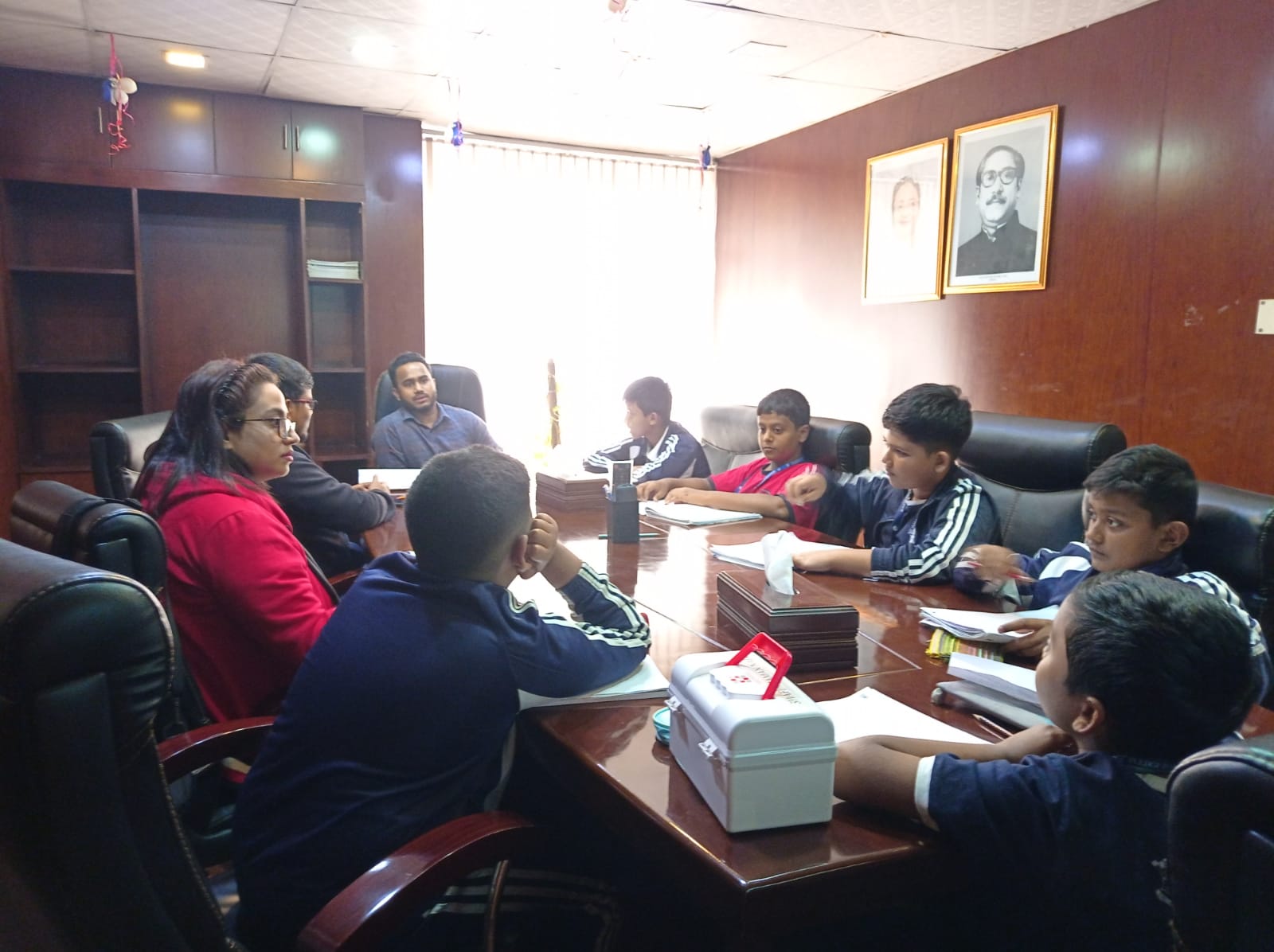
Interacting with the team
Image shared
by Ranjit Biswas
I found that this field trip helped the students to better understand and integrate the concepts of media and advertisement into their existing schema. They were able to deep dive into the concepts with a mature understanding which helped them to plan more meaningful actions and create an agentic learning environment. As a facilitator, I observed how the development of schema helped to create long-term potentiation (LTP) in their learning.
While the traditional approach to learning involves memorizing facts and theories from books and lectures, research shows that relating learning to real-life experiences can significantly enhance understanding and retention of information. Linnenbrink-Garcia and Pekrun's research on students' emotions and academic engagement shows that when students feel engaged and connected to their learning, they are more likely to be motivated and successful in their academic pursuits. (Linnenbrink-Garcia & Pekrun, 2011).
Understanding how the brain learns is essential for educators and learners to create meaningful learning experiences. By facilitating a conducive learning environment and incorporating hands-on experiences, we can support the development of schema and long-term potentiation in learning.
Reference:
● Bear, M. F., Connors, B. W., & Paradiso, M. A. (2016). Neuroscience: Exploring the Brain (4th ed.). Lippincott Williams & Wilkins.
● Kandel, E. R., Schwartz, J. H., & Jessell, T. M. (2013). Principles of Neural Science (5th ed.). McGraw-Hill Education.
● "Synaptic Plasticity and the Mechanisms of Learning and Memory" by Annual Reviews -https://www.annualreviews.org/doi/full/
10.1146/annurev.neuro.27.070203.144216
● "The Role of Neuroplasticity in Behavior Change" by Verywell Mind - https://www.verywellmind.com/what-is-neuroplasticity-2794886
● "Schemas and Their Role in Cognitive Processes" by Verywell Mind - https://www.verywellmind.com/what-is-a-schema-2795808
● Linnenbrink-Garcia, L., & Pekrun, R. (2011). Students’ emotions and academic engagement: Introduction to the special issue. Contemporary Educational Psychology, 36(1), 1-3. doi: 10.1016/j.cedpsych.2010.12.001.
Mr. Rezuan Chowdhury is an IB PYP Coordinator at Smart Innovations School, Dhaka, Bangladesh. He completed his Bachelor of Business Administration and Master of Business Administration and began teaching in the IB in 2011. He believes in sharing and learning through research in education, and his articles “Impact of COVID on Online Teaching Platform: Study on IB Curriculum in Bangladesh”, "Impact of E-learning in the education sector: Challenges and prospects of collaboration in remote learning” and "Best Practices and challenges in school based professional development in the schools of Maldives and Bangladesh" have been published in the USA ,Malaysia and Maldives respectively.
He has led several students and teachers workshops locally and globally. Mr. Rezuan is passionate about making students agentic learners. He led many workshops for students on ATL skills and SDGs. MR Rezuan worked as a guest faculty (B.Ed and PGD Courses) for Aditya Birla Academy, Mumbai, India. Mr. Rezuan is a guest faculty of Moscow City university.
Learners want us to know that they need to feel protected and supported in their learning environments. Being an educator, we should
always provide our learners an opportunity to give their honest reflection. Reflection provides more motivation to the learners.
They feel inspired to work better in their learning engagements. Motivated learners, both learn and enjoy the process of learning.
Through reflection, learners can get the chance to interact with the teachers. It helps the learners to develop insight and see a way to forge ahead. It also provides teachers with valuable feedback on learning and teaching.
We can introduce a number of strategies in our early years classes to get reflections from
the little learners.
There is a question we
always face as early years teachers,
“ How can early years learners reflect on their thoughts in the class?”
We often realize that early years learners can face obstacles in expressing themselves.
They might face problems communicating with teachers or classmates in order to reflect on their thoughts and ideas.
Reflective learners find relevancy and meaning in a lesson
and make connections between concepts a
nd real-life situations.

Parent's reflection
1. 3 Way Conference
2. Student Led Conference
3. Teacher Parent Conference

Teacher's reflection
1. Report card day
2. Task sheet
3. Formative and
Summative assessment
4. Unit comments
5. Term comments

Learner's Reflection
1. Unit reflection
2. Self reflection
3. Learner's profile assessment
4. Taking action reflection
5. Peer reflection
Learner's Reflection
Early years learners are able to provide feedback on their tasks. This is a vital part of student agency. They are competent and capable of choice,
voice and ownership. Early years learners usually speak frankly about the learning engagements. They speak out about how much they like the task, whether they were able to do it on their own or not, etc.
In my Early Years Classroom, they give feedback through a mind map after conducting a gallery walk of an entire unit. They are able to share their experiences through illustration, making posters, show and tell, conducting surveys, filling out a Google form, Mentimeter questionnaire or oral video reflection in Flip grid.
Additionally, they can choose a 5 finger reflection; the I see, I hear, I smell protocol; or the I used to think, now I think routine for reflecting on learning engagements.
Early years learners at my school take initiative to prepare the seasonal carnival, trade fair and bake day. In my classroom, learners take actions associated with their unit and central idea.
They may mention what they have learned from the event and what learner profile attribute they have achieved through our learner profile assessment task.
 Strategy : I see, I hear, I smell
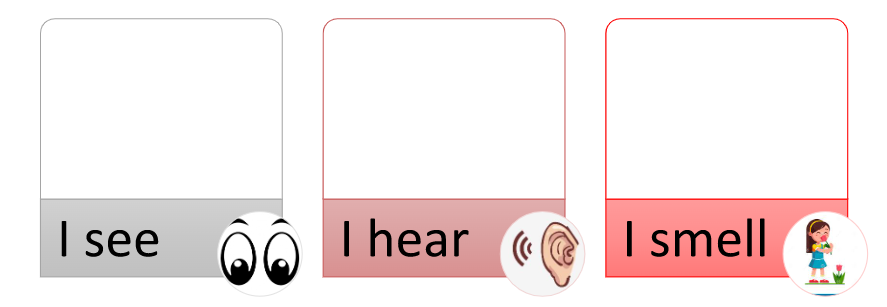
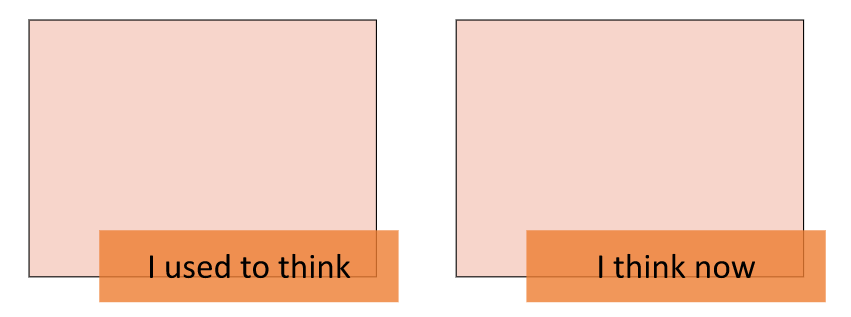
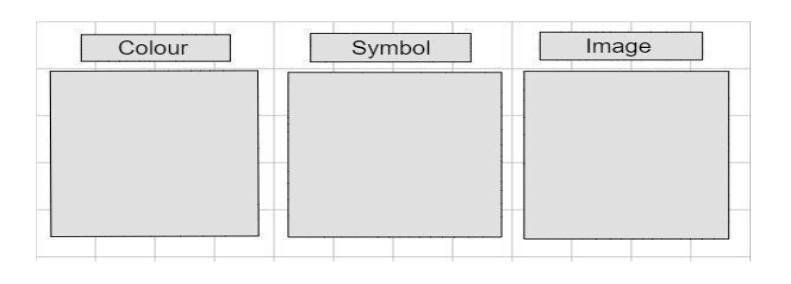
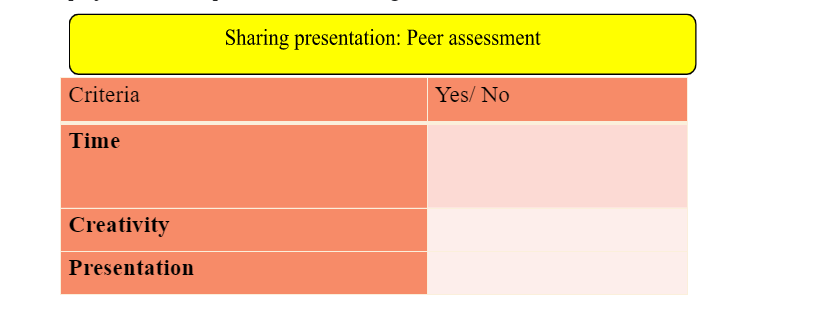
Peer feedback can establish a positive environment in the classroom. Early years learners show enthusiasm while they are giving feedback to each other. Peer feedback shows learners an active and easy way to get involved in learning. As a teacher, I prepare the feedback tool for learners. This technique requires choosing a small group of learners. They may make posters, take actions, make projects or illustrate, and present in the classroom.
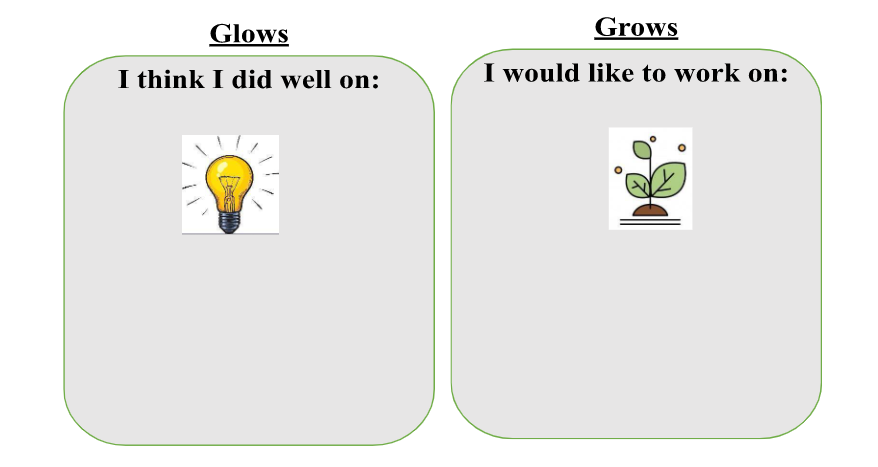
Self- evaluation enables the learners to exhibit their morality, assess their strengths and also areas they need to improve in future. Early year learners love to read short stories. My learners can assess their level of reading skills through strategies and tools such as reading log reflections, check-lists, glows and grows and the blob tree.
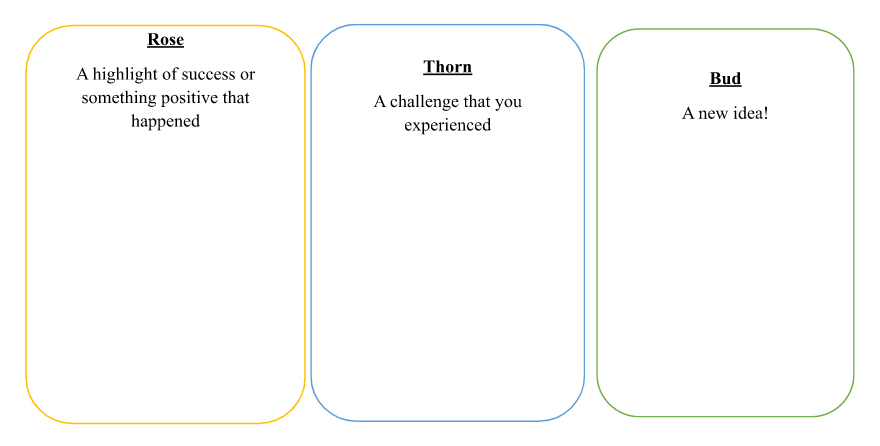
Early years learners love to reflect by themselves during storytelling or after reading a story. Teachers can take the learners to the library and learners will choose their book to read. I give them a choice to reflect their understanding or thoughts after reading a book. My learners can choose role play, story map, mask-making or have a questions and answering session (exit card).
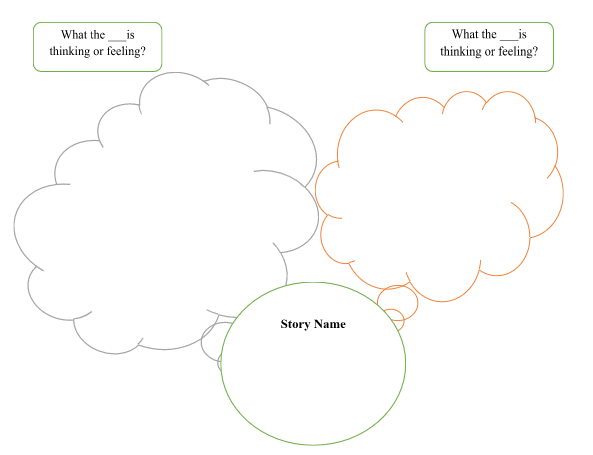
Feedback should be very specific to the learners so that they can correct their work.
I guide my learners and encourage them to ask questions if they did not understand any teacher's instructions or feedback.
- We make small groups of learners or individuals for discussing the corrections and praising each other
for their work.
- During remote learning, early years learners can send their task,project, interview or survey through video or audio and upload it to our Wakelet tool or Google Classroom.
- As teachers, we can record (audio /video) oral reflections of assigned tasks for small groups of learners or individual learners.
- Early year learners can then play the video/audio by themselves without parents' support at home. They are happy when teachers praise them on their assignments.
My Early Years learners love to work on Whiteboard.fi and Jamboard.
They can solve mental math tasks, match words with pictures, sort, circle correct answers, rearrange sentences or words, illustrate and describe pictures. I use sticky notes or text boxes to write reflections on learning engagements.
Parents are one of the valuable stakeholders of our curriculum. We should give them more of an opportunity to share their thoughts with us and reflect on their child’s learning process. Reflection from parents will not only help to create better communication between teachers and parents but it may also lead to enhanced learners’ performance.
In my classroom, parents are giving their valuable feedback during the 3-way conference, Student Led Conference and Teacher Parent Conference. During the conference parents are discussing the learner’s strength, next learning steps and how they can support the learner at home. Once the conference is done, we ask parents to share their experiences
about the conference with us through Padlet, Wakelet, Google Form or upload a recorded video/audio reflection.
We preserve those reflections to understand learning styles, support the child, and enhance the curriculum. We discuss upcoming units and big ideas with parents. Listening to parents is part of honoring agency and, they may suggest ideas to us about a unit visit, guest speaker sessions, conducting surveys, etc. We often invite them as guest speakers in the learning journey of the unit of inquiry. Early year learners get excited when they see their parents are playing the role of a guest speaker.
In this blog I tried to discuss different strategies and ideas about how reflection is taken in Early Years classes. I hope these strategies will be useful for Early Years teachers and will give them ideas how learners can be engaged and provided with opportunities for reflection in a more interactive way
- Farah Taimoor
MYP Science teacher/ Service as action Coordinator
Sheikh Zayed International Academy,
Islamabad, Pakistan
Can today’s students solve world problems?
With inquiry
at the core, the MYP sciences framework aims to guide students to independently and collaboratively investigate issues through research, observation and experimentation. The MYP sciences curriculum must explore the connections between science and everyday life. As they investigate real examples of science applications, students will discover the tensions and dependencies between science and morality, ethics, culture, economics, politics, and the environment. Scientific inquiry also fosters critical and creative thinking about research and design, as well as the identification of assumptions and alternative explanations. Students should learn to appreciate and respect the ideas of others, gain good ethical-reasoning skills and further develop their sense of responsibility as members of local and global communities.
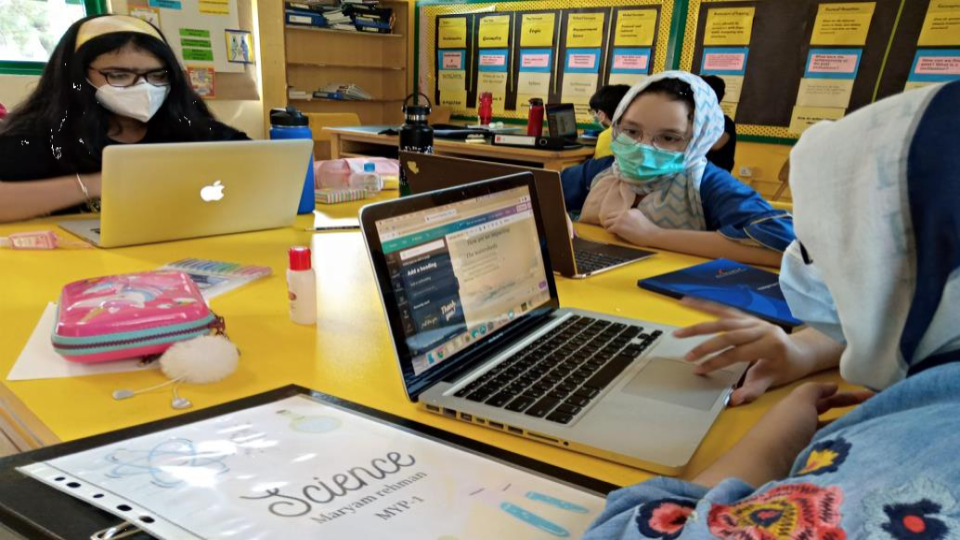
MYP Year 2 students at work (Image shared by Farah Taimoor)
INQUIRY THROUGH GAMING: MYP 2
The Covid-19 has brought
drastic changes to the world, especially to the way we educate students. Introducing gaming in teaching is an innovative idea especially in virtual schooling where students feel monotonous sitting hours and hours in front of their laptop screens. I introduced the ‘Class Craft’ in the Science classes to create a positive student experience through the world of gaming. With time saving tools, Class-craft puts students in control of their learning process, reinforces collaboration, streamlines classroom management, and builds a better learning experience. When students enjoy school, they care about what they are learning and are more involved. Class-craft helps motivate the students by making the classroom stimulating and promoting positive behaviours that teach them to be better learners.
In one of the Class Craft
activities at SZIA, an SDG was chosen i.e Water management and conservation. Class-craft was designed in such a way that every level had one task for the students working in teams with their own individual roles. Timed deadlines and incentives were all designed by the teacher. While students are researching and busy completing their tasks, the teacher can monitor them at every step and positive points can be awarded according to the students’ involvement. At the end of the assigned tasks, the students submitted their own reflections that further elaborated their interest and learning. The final product that they designed using their own creative skills was shared through
social media to spread
the message to the whole world to save water.
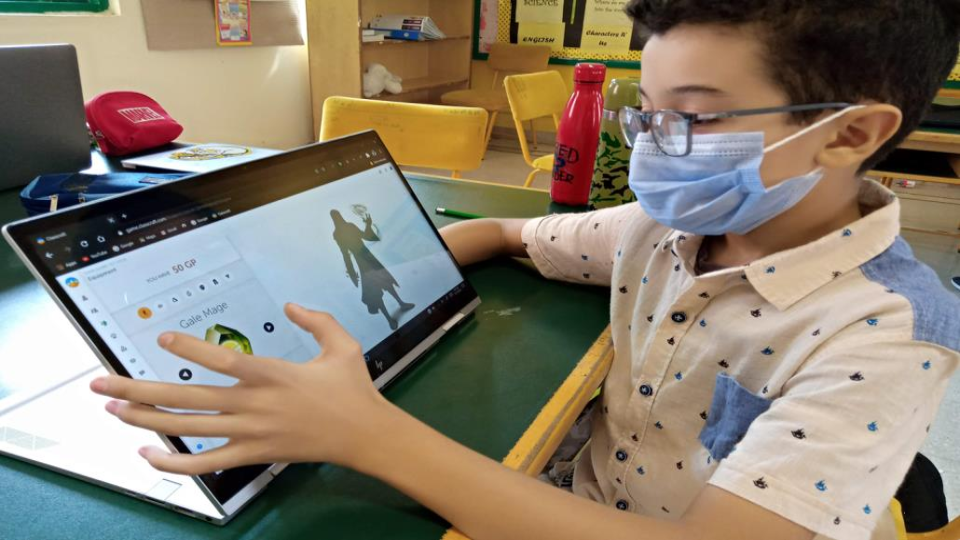
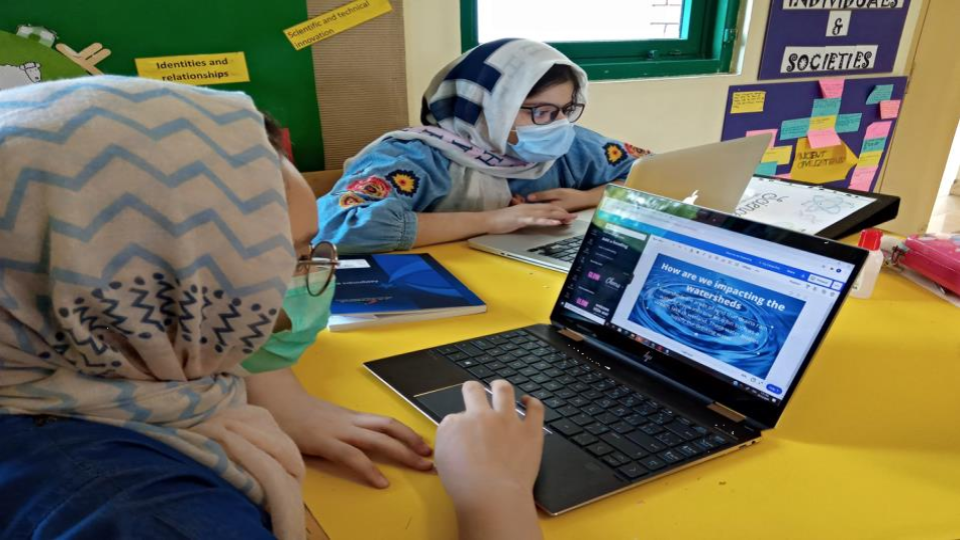
MYP Year 2 students at work (Images shared by Farah Taimoor)
Following main theme was used to involve students in constructive gaming and meaningful learning
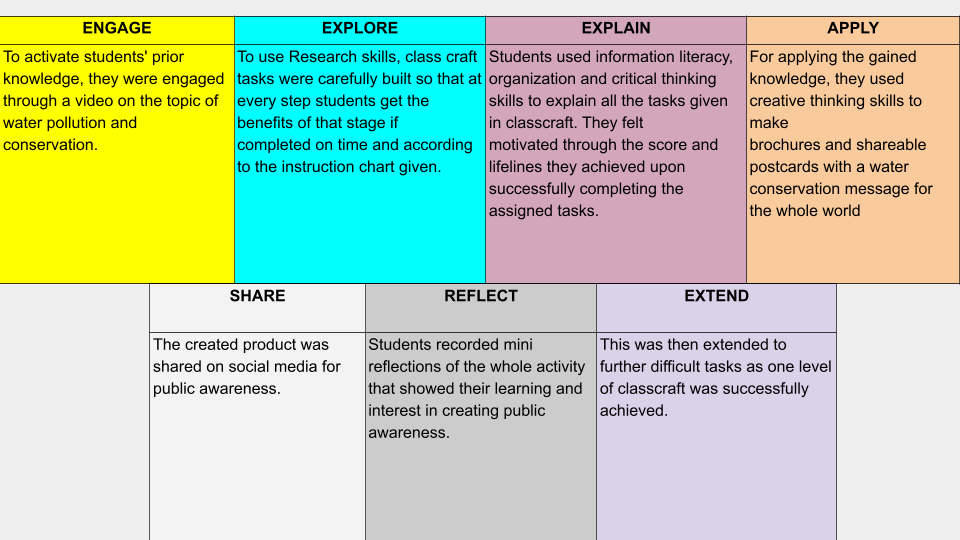
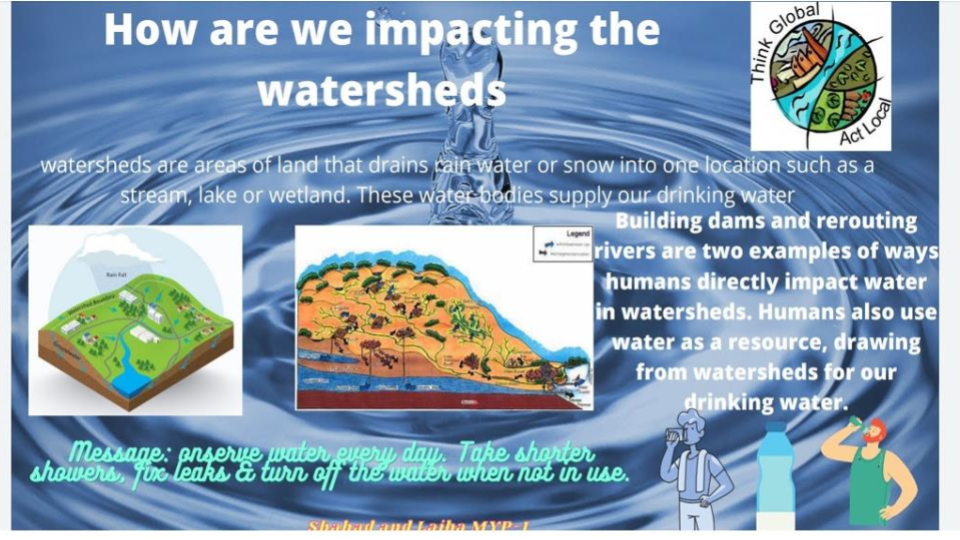
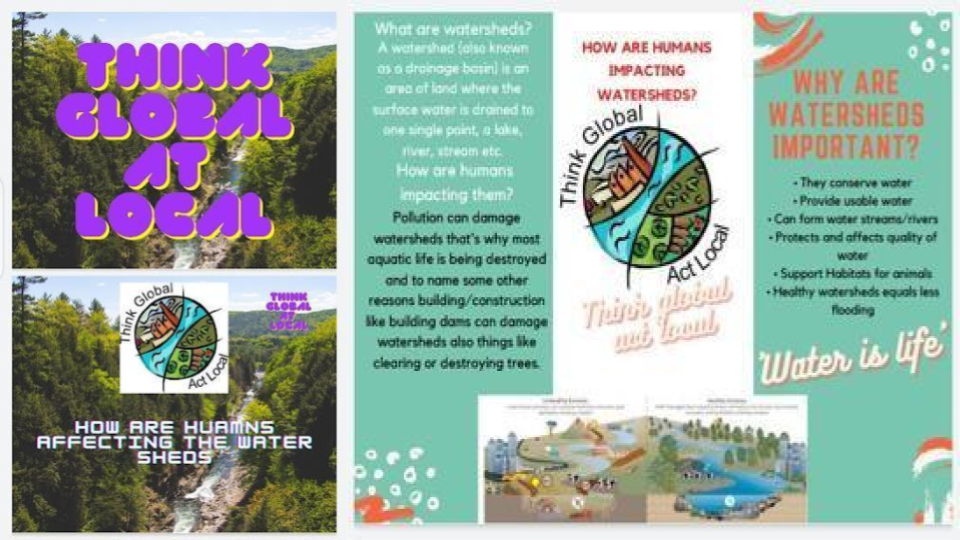
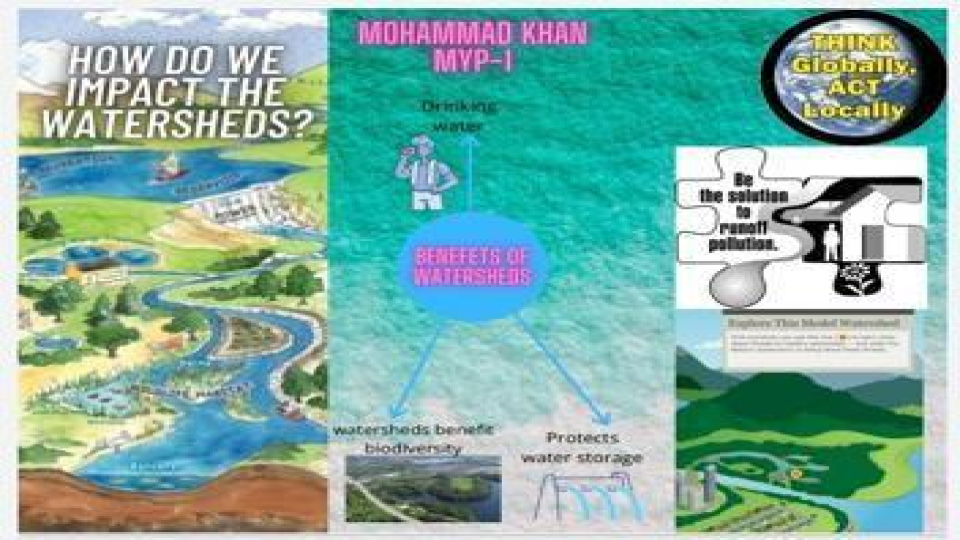
Images shared by Farah Taimoor
Every moment
of this fun learning experience was captured and turned into a mini documentary :
THE FINAL PRODUCT:
Watch video
Following main goals were successfully accomplished:
1. Inculcating positive working habits:
All assignments were tail
ored with a proper division of duties based on each student's interest and abilities. A proper reward system helped them to develop tasks in the given time frame by following associated IB attributes and skills.
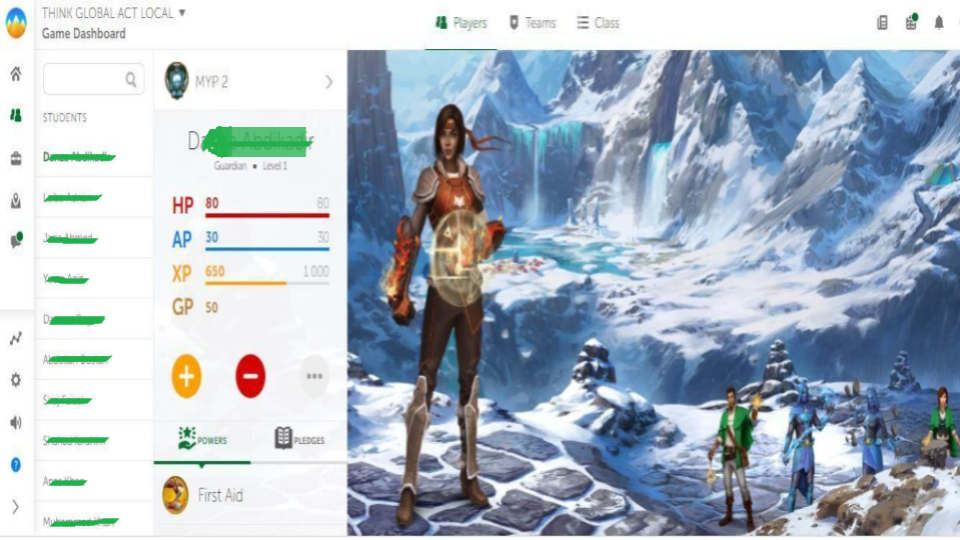
Image shared by Farah Taimoor
2.
Focusing on students’ choices:
Students
can choose their own roles in the game that helps them to progress. They earn powers that they find motivating. And above all they advance faster when they help their teammates who are struggling.
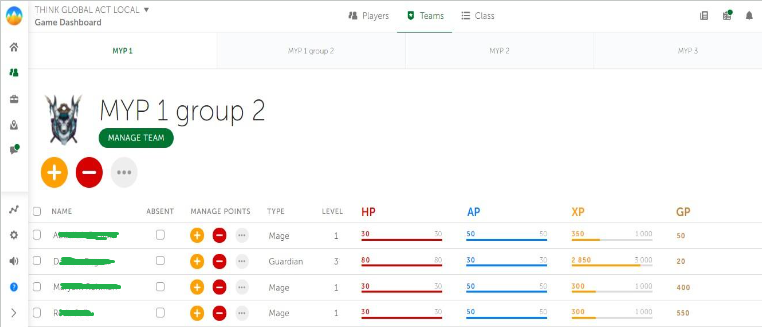
Image shared by Farah Taimoor
3. Accountability:
Since the students’ teammates depend on them therefore every student is accountable for their own behaviour. Knowing that positive behaviour
will benefit them, it enhances the students’ collaborative skills.
My lessons are always focused on students' learning and its application in real life. To be reflective means to mentally wander through where we ha
ve been and to try to make some sense out of it. Our classrooms are oriented more to the present and the future than to the past.

- Satyajeet Singh
IB PYP Music educator | Music and Arts Coordinator
Tech integrator [Single Subject Coordinator]
Oberoi International School, JVLR Campus, India
“Tell me and I forget, Teach me and I remember INVOLVE me and I learn” By Benjamin Franklin
Throughout
the day my brain is occupied with more than a thousand thoughts. Out of these some might be important, some may require immediate assistance or some may be simply irrelevant.
It’s my music that helps me filter out and reflect upon what’s a priority.
However, in these years as a PYP educator, I have realized that thinking is one of the most powerful ways to learn, and reflect. We need time to pause, remember, recollect and reflect upon our learning.
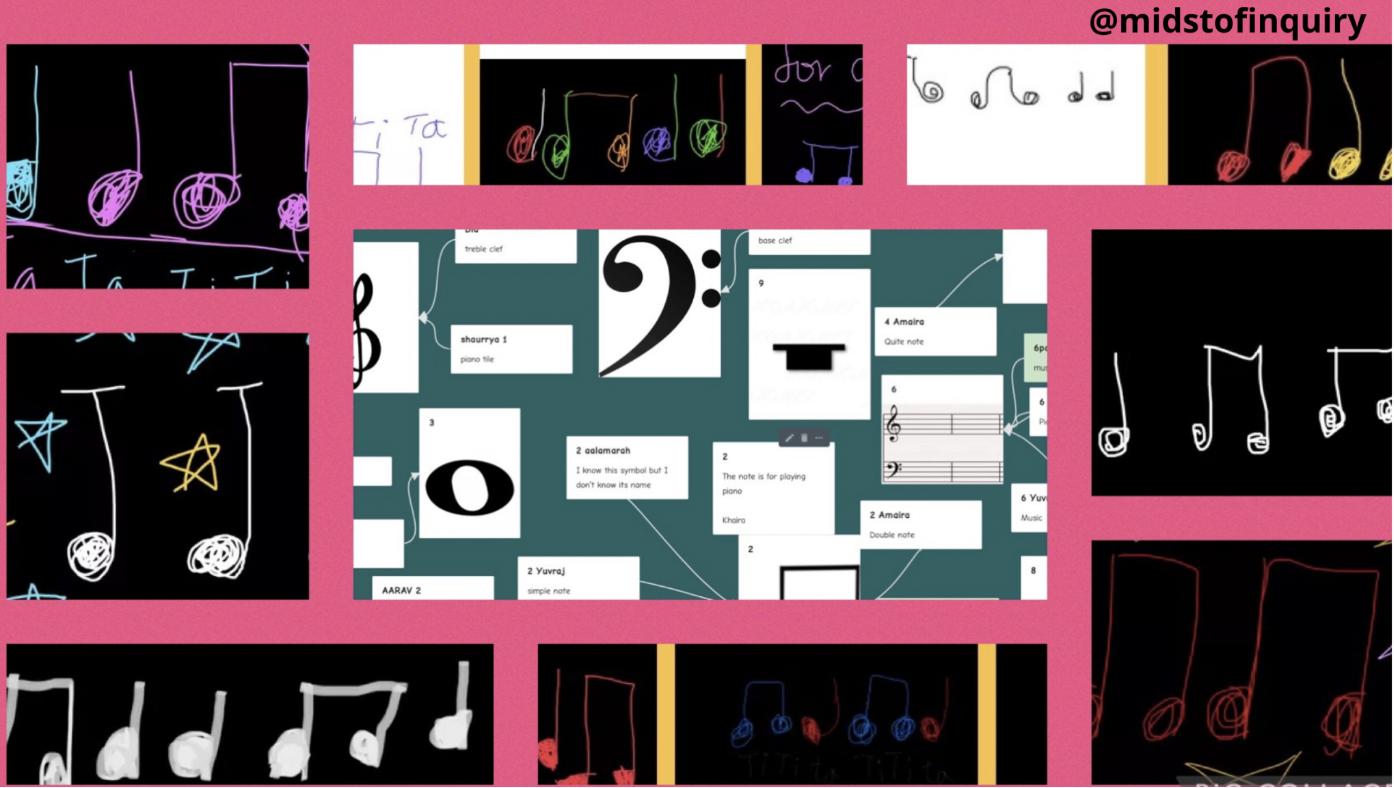
Image by Satyajeet Singh
Grade 2 Students inquiring about musical signs & symbols.
With my students,
I have been fairly successful to keep them thinking about their inquiries and connections even while we were online. There are various strategies and routines that I have been using to enhance students' thinking. It was interesting to see the way students of Grade 2 connected with the various musical signs and symbols and had their thoughts and queries about it. Further, it also led to some great conversation about what kind of music the students are fond of.
Another aspect of thinking is to make learning visible by understanding the information. However, education is not about nar
rowing down a few facts but indeed helping our students to inquire, research, to solve problems, be critical thinkers, be collaborators and communicate ideas with one another. Students need to understand the process before they dig into the inquiry deeper. While we were learning from home mode, my main focus had been to make students responsible for their learning.
In my terms, I
am looking at students to lead me through their learning. For this, I realized student questions play an important role in developing thinking skills.
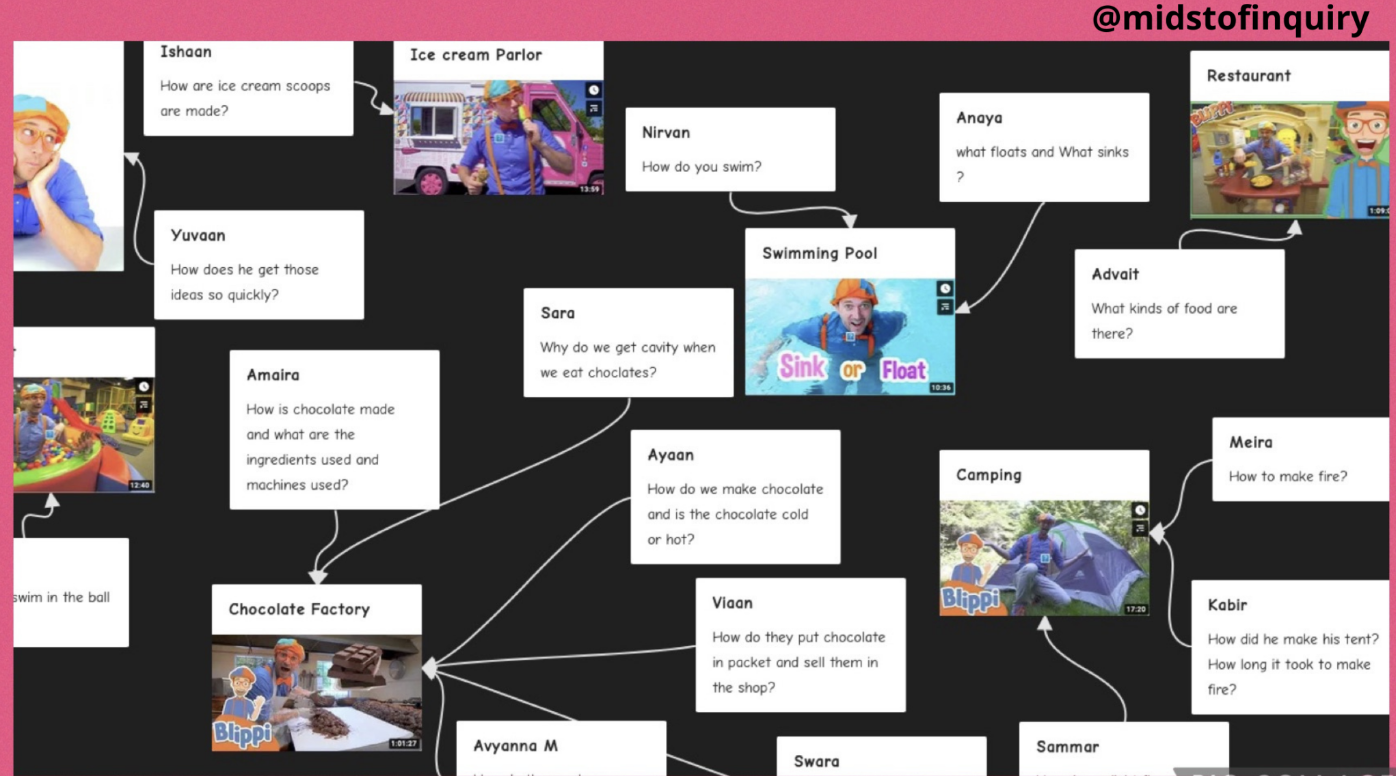
Image by Satyajeet Singh
Students of grade 1 use questioning skills to take the inquiry further
With
my Grade 1 students, I have been using various strategies and routines to help build their questions. One thing I have often hooked upon often is to Ask a question to a celebrity. My Grade 1 students chose Blippi as their celebrity to ask their questions. It was fun to have my young learners share with one another about Blippi.
The
PYP framework believes that any learning is moved forward by building upon curiosity and developing an inquiry mindset. This transformation happens between what the students already know and what they want to know. In the midst of this lies the powerful thinking which does take the teaching and learning process to a new level.
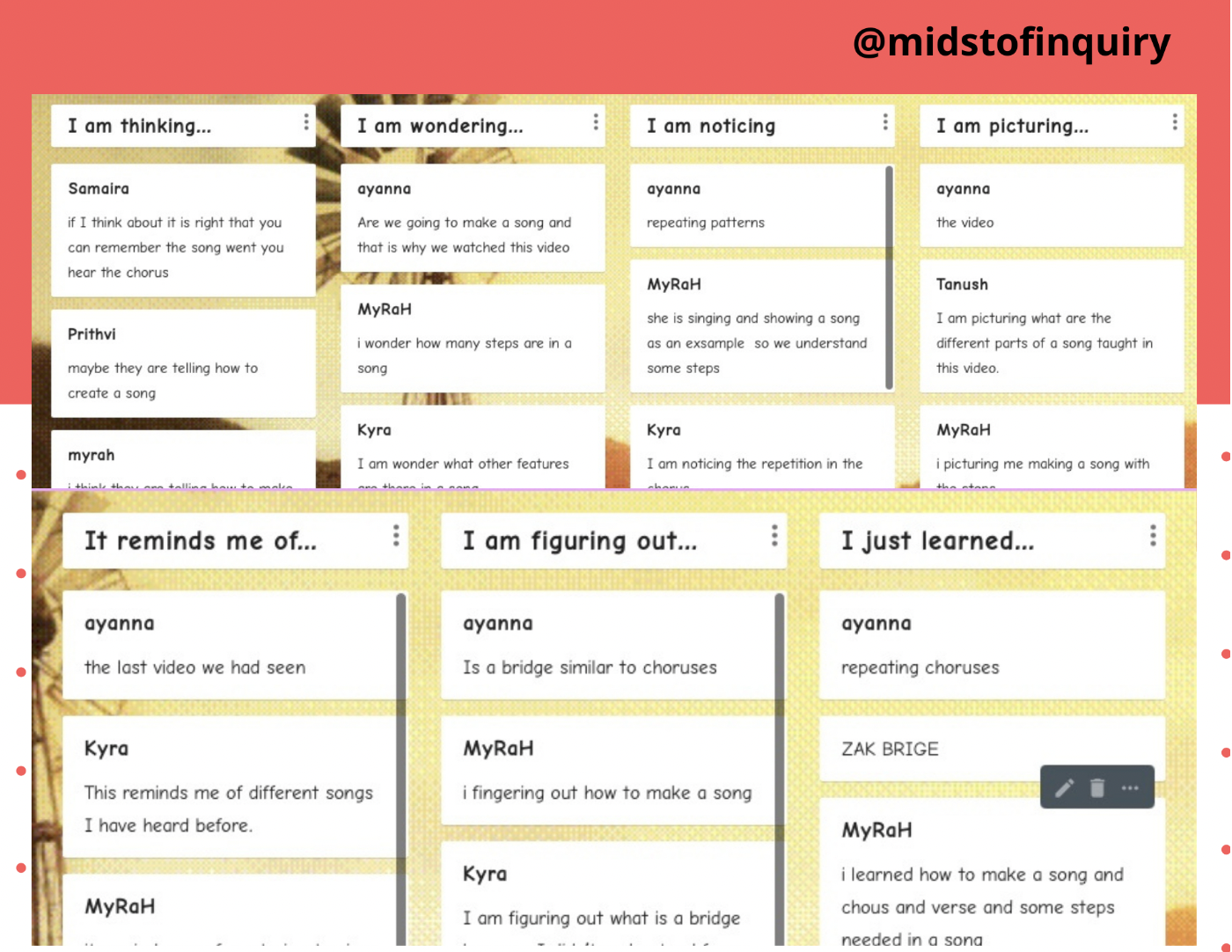
Images by Satyajeet Singh
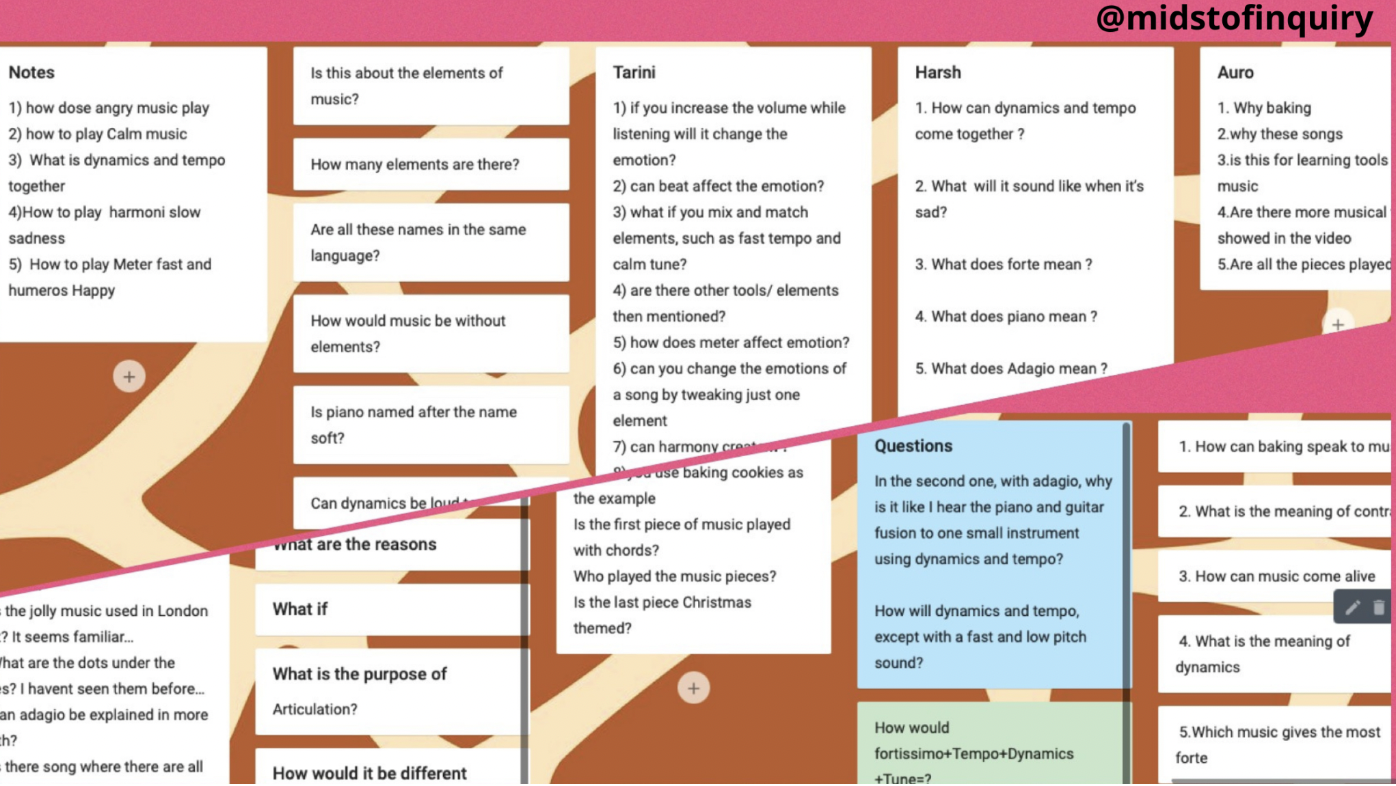
Students of Grade 4 using Thinking Stems
Students of Grade 5 using the thinking routine Questions Starts
Provocations,
open-ended invitations, brainstorming, and sharing perspectives are the various doors for students to share, understand, explore & experience the various dimensions that connect ideas. It allows students to connect to the real world and search, research, and build on their thinking.
Lately,
I have been self-reflecting on the kind of questions I’m using at the different stages of inquiry. Slowly, I have simultaneously noticed my students have been using a lot of questions too. One such example is Grade 5 students using the thinking routine Question Starts. This routine helped students to practice developing good questions that provoke thinking and inquiry further.
The IB Philosophy believes in reflection and action as an important part of the inquiry. I completely support this! Students at all stages of inquiry need encouragement and most importantly time to pause and reflect on the ongoing topic
of discussion or connections.
Time to think and reflect is vital for students to join the dots of their inquiry and hence to build upon their actions. And, just before I go, I would love to hear how our educators have engaged students in their thinking and taking the inquiry further…
- Ujita Subramanian
GEMS Modern Academy, Kochi, Kerala, India.
Cambridge IGCSE,AS/A Levels Teacher,
Cambridge Assessment Specialist,
UN TeachSDG Ambassador

A special kiss from a special kid
A morning smile that could light up life
A hug that touches my soul
A touch that says I trust you with whole of my heart
A greeting telling me to have a good day
A goodbye take care greet at end of everyday
A longing in some eyes when I step in
A sad sigh when its time to bid bye
A worry when my hair is not tidy
An excitement when I get dressed up
A feeling of care while I am unaware
A gaze that constantly keeps a watch
A wait to be ready to open a door
A wave of hand to say all is well
A visit usually short but made without fail
A tiny giggle that makes my day
------Ms. U



Quite a few odd years have passed by
Haven't met each other all this while
Yet have a beautiful soul reach out to me
On my bday with wishes and joy
Not knowing how much it matters to me
Can you guess…
Who am I?
Fun laughter craziness and cheer
Along with some firmness and fear
Not realising how much it matters to all
If any one of us take a fall
Lots of emotions that I hide behind a smile
Can you guess… Who am I ?
With a smile big and bright
No matter which day of the month at sight
Having 25 pairs of eyes on me
Hearing every word I speak
Trusting in me with complete faith
Can you guess…
Who am I?
No matter how big one grows
You will find me in someone close
You just have to look deep into
Anyone who wishes you well
And wants you to prosper and shine
Can you guess…
Who am I ?
------ Ms. U
- Rushini Ramachandran
BINUS School, Simprug, Indonesia
MYP Science Educator, IB Workshop leader, IB Programme Leader
You got certified to be a teacher and now you are excited to start your journey as a teacher. You can’t wait to implement everything that you have learned. In a few days, you will be walking to a classroom for the first time and meeting your very first set of students. It feels wonderful, doesn’t it? That was exactly how I felt the first time I entered the classroom after the whole process of the interviews, background checks, and demo classes. I found out the hard way that all those teaching courses, degrees, and certificates teach so much about what students need, but there are things that we all learn on the go. After over a decade of teaching in schools, some of these things have become second nature to me.

This probably sounds silly, but I remember the first day I started teaching. I made the mistake of wearing heels that look nice but were not exactly comfortable. Don’t make the same mistake as I did. You will probably be walking all day so wear something comfortable. I also keep a few pairs of shoes under my desk in the staffroom to change into.

Whether it be colleagues, parents, or students, you will always have people who may not like you for whatever reason. Get used to that! As a rule, I do not accept any lunch or dinner invitations from parents. I once had an interesting experience with a parent who was unhappy with me because I did not attend her child’s birthday dinner. She went out of her way to tell other parents that I was too ‘uptight’ and ‘proud’. Over the years, I have learned to ignore such comments. In the same school, five years later, all the parents got together and held a farewell lunch for me the day after I left that school.

This one is probably something you already know. Students (even Middle and High School students) will tell you so many things about themselves if you take the time to talk to them and get to know them. I tell them a few stories about myself too, and this builds a positive relationship. Students like to know that their teachers are also human.

Planning and staying organized is extremely important. It is not only planning lessons and delivering them within the given time, but also keeping track of deadlines, making sure that the classroom resources and teacher resources are there, and the time allocated for everything in the to-do lists. I love colors, and I use different colored sticky notes, highlighters, and pens to color-code my work to keep myself organized. I also have one of those big calendar organizers courtesy of my coordinator, and I put all my deadlines in there. Find out what works for you.

You’re going to be doing this job for a while, so you may as well have fun doing it. When I first started teaching I was very nervous. I had all these questions like; would I make mistakes, would students like my teaching, would it show that I am inexperienced – the list went on. As time passed, I understood that this is a learning process for the teacher and the students. We all make mistakes and we move on. Students will like you if they see you as a genuine person. The experience bit takes time. So, the best we can do is enjoy the journey.

It was not until six months after my first time teaching did I remember that there was such a thing as class observations, and it affects my job. It was then that I saw many areas where I could improve if only I had asked the students for their opinions – something I obviously did not think of doing. I learned my lesson there. Now, I make sure to ask them what they think and change my teaching strategies when needed.

Students need to know expectations. We make essential agreements with them, but these rules should be implemented and practiced. Be very clear about routines and practice those routines in every session, so students know what is expected of them. Be very clear about the consequences of breaking rules and make sure students have consequences when they do something they are not supposed to. Students observe and they take teachers who do not stick to their word for granted.

When I started teaching, I was a little unsure of whether I should ask other teachers for help, thinking that if I do, they would think I was not good enough to be a teacher. After many years, I know that talking to other teachers and asking for help makes work so much simpler. I ask other teachers for ideas on things like classroom organization, teaching strategies, dealing with behavior issues, and anything else that I need. Asking for help can not only make things easier for you, but it also helps build relationships with other teachers.

I learned the hard way that being over prepared is better than being under prepared. Sometimes, classes don’t go as planned. Sometimes students are not in the mood to do an intense class because they just finished an hour-long test and cannot focus anymore. Sometimes, the lesson just finishes earlier than planned. So, I always have a few alternate strategies in case a class doesn’t go too well, and an actual little ‘bag’ with a few things for such emergencies.

The school staff like the admin, secretaries, and even the janitors are your allies in school. Building positive relationships with them goes a long way. The foyer area for the grade level that I am the head of has four classrooms. When we have student birthday parties, I share the food and goodie bags with the two janitors who oversee my foyer area. In return, they offer their help whenever I am decorating my foyer and moving things around.

In the age of social media, it is very easy to connect with teachers around the world to get ideas, discuss issues, and just find a place to vent. Being active on various social media sites would help new teachers a lot. I started checking out teacher pages on social media only a few years into teaching. Start earlier. I wish I had.

The first day I started teaching, I never thought about what I would do when I get thirsty. I did not take a bottle or cup with me to school. Even worse, the cafeteria did not sell bottled water. Luckily, another teacher gave me his spare cup until I got my own. Now, I keep two mugs, a spare bottle, a plate, and a cutlery set in my locker in school, along with my own coffee, tea, and sugar because I personally do not like what they provide. I also have my own pen stand and various other things to make my area feel more comfortable.

You need to be healthy to teach. That to-do list never gets over, so don’t sacrifice your sleep and food for it. If you are given monthly leaves or half-a-day absences as part of the contract, take them. Drink water frequently and use the restrooms. Eat when you should. True, there are some days we have to take our work home, but don’t make it a habit. I remember one year when I barely did anything other than schoolwork because I took on too many responsibilities. I have learned to say no when I should. Your sanity matters!
I know this looks overwhelming. It feels like
there is so much to do and not to do. You cannot do everything at once. It is a
learning process, and my advice is to try doing one thing at a time before
starting a new one.I started teaching by chance but stayed a teacher by choice
because it is a wonderful job!
I am so excited for you and I know that you will
be the amazing educator that you are meant to be.
created with
Joomla Editor .